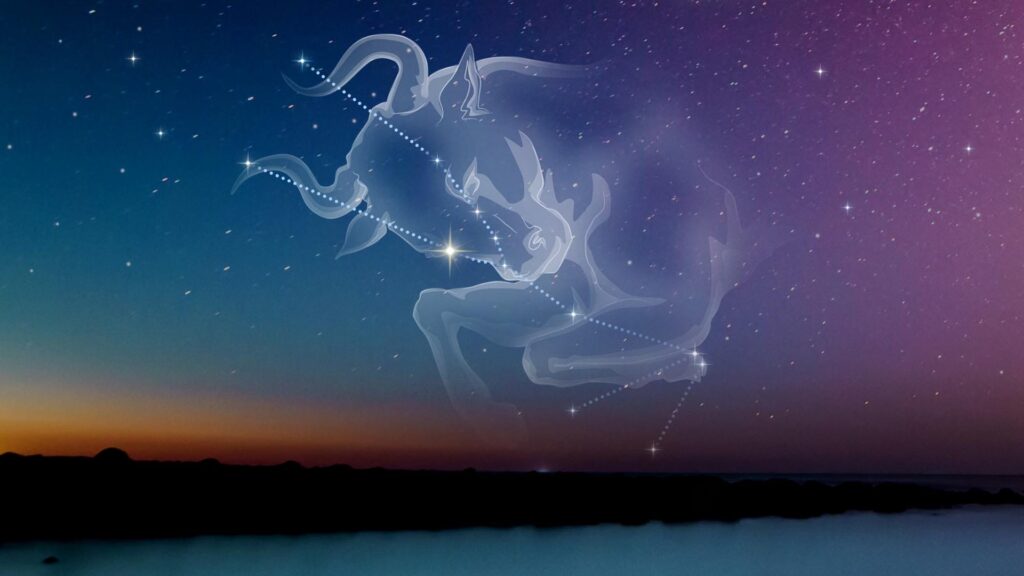
Taurus Star: Facts, Traits, and Celestial Wonders
The Taurus constellation is one of the oldest recognized constellations in the night sky, symbolized by a majestic bull. It is easily visible during winter in the Northern Hemisphere and is famous for its bright stars, including Aldebaran and the Pleiades star cluster.
1. Overview of Taurus
- Taurus is a prominent zodiac constellation, lying between Aries and Gemini.
- It is best visible from November to March, with its peak visibility in January.
- Taurus contains bright stars that are easily seen even without a telescope.
Analogy: Imagine Taurus as a giant glowing bull roaming across the night sky.
2. Notable Stars in Taurus
- Aldebaran: The eye of the bull, a giant orange star, brightest in the constellation.
- Pleiades (Seven Sisters): A cluster of stars forming a small but bright pattern in Taurus.
- Elnath: Marks the tip of Taurus’ horn.
Real-life analogy: Aldebaran is like the glowing nose of a famous statue in a dark park—you notice it first.
3. Taurus Traits & Characteristics (Zodiac Influence)
- Element: Earth 🌍
- Ruling Planet: Venus 💫
- Traits: Reliable, patient, practical, and loyal.
Analogy: Just like a dependable ox in a field, Taurus individuals are steady and persistent.
4. Mythology of Taurus
- In Greek mythology, Taurus represents Zeus transforming into a bull to abduct Europa.
- The Pleiades were daughters of Atlas, who were transformed into stars to escape Orion’s pursuit.
Analogy: Taurus’ story is like a dramatic movie in the night sky, each star playing a role.
5. Interesting Facts
- Taurus is one of the oldest recorded constellations, appearing in Babylonian and Egyptian star charts.
- The Taurus meteor shower occurs every November, known as the Taurids.
- Taurus is part of the Winter Hexagon, a large asterism in the night sky.
Analogy: The meteor shower is like a firework show celebrating Taurus’ reign.