loading

Sirius: The Brightest Star in the Night Sky

When we look up at the night sky, thousands of stars shine above us, but one star stands out more than the others. That star is Sirius, the brightest star visible from Earth. Because of its extraordinary brightness and historical importance, Sirius has fascinated astronomers, scientists, and civilizations for thousands of years.

This article explores the science, history, and cosmic significance of Sirius, explaining why it remains one of the most important stars in astronomy.


1. What is Sirius?

Sirius is the brightest star in the Earth’s night sky. It is located in the constellation Canis Major, which means “Greater Dog.” Because of this position, Sirius is often called the Dog Star.

The brightness of Sirius is not only because it produces a large amount of light but also because it is relatively close to Earth compared to many other stars.

Key Facts About Sirius

  • Distance from Earth: approximately 8.6 light-years
  • Stellar system type: Binary star system
  • Main star: Sirius A
  • Companion star: Sirius B (white dwarf)
  • Apparent magnitude: −1.46 (extremely bright)

Because of these characteristics, Sirius appears brighter than any other star we see at night.


2. Why Sirius Appears So Bright

There are two main reasons why Sirius appears brighter than most stars.

1. Relative Proximity to Earth

Sirius is one of the closest stars to our solar system. At about 8.6 light-years away, its light reaches Earth much more strongly than light from distant stars.

2. High Luminosity

The main component, Sirius A, is about 25 times more luminous than the Sun. This high energy output combined with its distance makes it extremely visible in the night sky.

Because of these two factors, Sirius dominates the sky during winter months in many parts of the world.


3. The Binary Nature of Sirius

One fascinating aspect of Sirius is that it is not a single star, but a binary star system.

Sirius A

  • A main-sequence star
  • Roughly twice the mass of the Sun
  • Extremely bright and hot

Sirius B

  • A white dwarf star
  • Extremely dense
  • Roughly the size of Earth but with mass similar to the Sun

Sirius B was once a massive star but eventually exhausted its fuel and collapsed into a white dwarf. This process represents the final evolutionary stage of many stars.


4. Sirius in Ancient Civilizations

Sirius has played an important role in human history for thousands of years.

Ancient Egypt

The ancient Egyptians associated Sirius with the annual flooding of the Nile River. When Sirius first appeared in the morning sky (a phenomenon known as heliacal rising), it signaled the start of the agricultural season.

Greek Astronomy

Greek astronomers connected Sirius with the constellation Canis Major and described it as the Dog Star, which is where the term “dog days of summer” originated.

Cultural Symbolism

In many cultures, Sirius represented:

  • prosperity
  • seasonal change
  • divine guidance
  • celestial power

Its brightness made it easy to observe long before telescopes were invented.


5. Scientific Importance of Sirius

Modern astronomy studies Sirius for several scientific reasons.

Stellar Evolution

The Sirius system allows astronomers to study stellar evolution, especially how stars transform into white dwarfs.

Astrophysical Measurements

Because Sirius is nearby and bright, it helps scientists measure:

  • stellar temperature
  • luminosity
  • gravitational interactions
  • stellar mass

Binary Star Dynamics

The gravitational relationship between Sirius A and Sirius B provides valuable insights into orbital mechanics and stellar physics.


6. How to Find Sirius in the Sky

Sirius is relatively easy to locate if you know where to look.

Steps to Find Sirius

  1. Locate the constellation Orion.
  2. Follow the three stars of Orion’s Belt downward.
  3. The brightest star you see in that direction is Sirius.

Because of its intense brightness, Sirius often appears to twinkle in multiple colors, especially when it is near the horizon.


7. Interesting Facts About Sirius

  • Sirius is about twice the mass of the Sun.
  • The temperature of Sirius A is around 9,940 Kelvin.
  • Sirius B is one of the first white dwarfs ever discovered.
  • The star system is estimated to be 200–300 million years old.
  • Sirius is visible from almost every inhabited region of Earth.

These features make Sirius one of the most studied stars in modern astronomy.

Book a Call

Jupiter’s Role in Luck and Expansion: How Each Zodiac Sign Benefits When Jupiter Changes Signs

In astrology, Jupiter is known as the planet of luck, expansion, and wisdom. Wherever Jupiter travels in the zodiac, it tends to bring opportunities, optimism, growth, and abundance. Unlike faster-moving planets that shift signs quickly, Jupiter spends roughly one year in each zodiac sign, allowing its influence to unfold gradually and shape the collective energy of that time.

When Jupiter changes signs, astrologers believe a new cycle of growth begins. Each zodiac sign experiences Jupiter’s blessings in different areas of life—career, relationships, finances, creativity, or spiritual development.

This article explores the meaning of Jupiter in astrology, why its sign changes are important, and how each zodiac sign may benefit when Jupiter moves into a new sign.


Understanding Jupiter in Astrology

Jupiter is the largest planet in the solar system, and symbolically it represents expansion, abundance, and possibility.

In astrology, Jupiter governs several important life themes, including:

  • Luck and new opportunities
  • Wealth and prosperity
  • Higher education and wisdom
  • Spiritual growth and philosophy
  • Travel and cultural exploration
  • Optimism and faith in the future

Jupiter is often referred to as the “Great Benefic”, meaning it generally brings supportive and positive energy wherever it appears in a birth chart or during planetary transits.

However, Jupiter does not simply deliver luck without effort. Instead, it amplifies whatever it touches. When individuals take initiative during a Jupiter transit, they are more likely to experience significant progress and breakthroughs.


Why Jupiter Changing Signs Matters

Every time Jupiter enters a new zodiac sign, the collective focus of growth shifts.

For example:

  • Jupiter in Earth signs often emphasizes financial stability, practical success, and material growth.
  • Jupiter in Fire signs boosts confidence, creativity, leadership, and motivation.
  • Jupiter in Air signs encourages communication, learning, social networking, and innovation.
  • Jupiter in Water signs deepens emotional awareness, intuition, and spiritual development.

Because Jupiter takes approximately 12 years to complete one full cycle of the zodiac, each sign experiences its strongest Jupiter influence roughly once every twelve years.

During these periods, people may experience:

  • New opportunities
  • Career progress
  • Personal growth
  • Major life lessons
  • Important turning points

How Each Zodiac Sign Benefits When Jupiter Changes Signs

Below is how Jupiter’s expansive energy may benefit each zodiac sign when it activates important life areas.


Aries: Expanding Confidence and Leadership

When Jupiter supports Aries, it strengthens their natural courage, ambition, and determination.

Possible benefits for Aries include:

  • Leadership opportunities at work
  • Increased confidence in personal goals
  • Successful business ventures
  • Greater physical and mental energy

Because Aries naturally embraces challenges, Jupiter’s energy often amplifies their drive and ability to take bold action.


Taurus: Financial Growth and Stability

For Taurus, Jupiter often brings opportunities connected to wealth, comfort, and long-term security.

Potential benefits include:

  • Financial growth
  • Improved career opportunities
  • Investments or savings increasing in value
  • Building valuable resources and assets

Taurus tends to experience Jupiter’s influence through steady and sustainable prosperity rather than sudden or unpredictable luck.


Gemini: Communication and Learning Opportunities

Gemini thrives when Jupiter encourages knowledge, communication, and intellectual curiosity.

During this time, Gemini may experience:

  • Academic success or educational opportunities
  • Writing, speaking, or media projects
  • Expanding social networks
  • Travel and cultural exploration

Jupiter often introduces Gemini to new ideas and perspectives that significantly influence their life direction.


Cancer: Emotional and Family Blessings

Cancer often experiences Jupiter’s influence through emotional security and family connections.

Possible benefits include:

  • Strengthening family relationships
  • Moving to a new home or improving the current one
  • Emotional healing and inner peace
  • Increased intuition and empathy

Jupiter helps Cancer feel more supported, nurtured, and emotionally balanced during these cycles.


Leo: Creativity and Recognition

For Leo, Jupiter enhances creativity, personal expression, and recognition.

This period may bring:

  • Public recognition or career visibility
  • Creative breakthroughs
  • Romantic opportunities
  • Leadership roles or influence

Because Leo naturally enjoys the spotlight, Jupiter’s energy can amplify their charisma, confidence, and popularity.


Virgo: Career and Skill Development

Virgo benefits from Jupiter through growth in knowledge, discipline, and professional improvement.

Possible opportunities include:

  • Career advancement
  • Learning valuable new skills
  • Educational achievements
  • Improvements in health and lifestyle

Jupiter encourages Virgo to expand their expertise and refine their talents, often leading to long-term professional success.


Libra: Relationships and Social Expansion

For Libra, Jupiter’s blessings frequently appear through relationships and social connections.

Potential benefits include:

  • Romantic relationships or marriage opportunities
  • Strong business partnerships
  • Greater social recognition
  • Improved harmony and balance in relationships

Jupiter often introduces Libra to people who open doors to new opportunities and experiences.


Scorpio: Personal Transformation and Power

Scorpio often experiences Jupiter’s influence through deep transformation and emotional renewal.

Possible benefits include:

  • Emotional healing
  • Financial empowerment
  • Personal growth and self-discovery
  • Spiritual development

By the end of a Jupiter cycle, Scorpio may feel stronger, wiser, and more self-aware.


Sagittarius: Major Life Opportunities

Sagittarius is ruled by Jupiter, making this planet’s influence especially powerful for this sign.

During this time, Sagittarius may experience:

  • Major travel opportunities
  • Personal freedom and adventure
  • Spiritual awakening
  • Career breakthroughs

Jupiter encourages Sagittarius to explore new horizons and expand their life experience.


Capricorn: Long-Term Success and Authority

Capricorn benefits from Jupiter through structured progress and lasting achievements.

Possible results include:

  • Career advancement
  • Leadership roles
  • Financial stability
  • Building a strong professional reputation

Capricorn’s disciplined approach allows them to turn Jupiter’s opportunities into long-term success.


Aquarius: Innovation and Social Impact

Aquarius thrives when Jupiter supports innovation, collaboration, and visionary thinking.

This period may bring:

  • Technological or creative breakthroughs
  • Greater influence in communities
  • Leadership in social causes
  • New friendships and collaborations

Jupiter inspires Aquarius to create ideas that contribute to positive change in the world.


Pisces: Spiritual Growth and Creativity

Pisces experiences Jupiter’s influence through intuition, imagination, and emotional depth.

Possible benefits include:

  • Artistic inspiration
  • Spiritual awakening
  • Emotional healing
  • Deep and meaningful connections with others

Jupiter helps Pisces feel more aligned with their purpose and inner wisdom.


The Deeper Meaning of Jupiter’s Cycles

Jupiter’s movement through the zodiac reminds us that life unfolds through cycles of growth and learning.

Each time Jupiter changes signs, it offers:

  • New opportunities for expansion
  • Fresh perspectives on life
  • Greater spiritual and intellectual growth

Astrology suggests that luck often appears when we are willing to grow beyond our comfort zones.

The Hidden Meaning of Lunar Eclipses

Why Life Suddenly Changes After an Eclipse

Lunar eclipses are among the most fascinating celestial events visible in the night sky. Astronomically, they occur due to a natural alignment of the Sun, Earth, and Moon. However, in astrology and many spiritual traditions, lunar eclipses are believed to carry deep symbolic and emotional significance.

Many people notice that major life changes occur shortly after a lunar eclipse. Relationships may shift, emotions can intensify, and unexpected opportunities sometimes appear.

Because of this, astrologers often view lunar eclipses as powerful cosmic turning points that bring transformation, revelations, and endings that lead to new beginnings.

In this article, we explore the hidden meaning of lunar eclipses, their astrological significance, and why life can change dramatically after an eclipse.

For deeper insights into how eclipse energy affects your personal life path, you can explore a full astrology report based on your birth chart.


What Is a Lunar Eclipse?

A lunar eclipse occurs when the Earth moves directly between the Sun and the Moon, casting Earth’s shadow onto the Moon. This phenomenon can only occur during a full moon, when the Sun, Earth, and Moon align in a straight line.

There are three main types of lunar eclipses:

1. Total Lunar Eclipse

During a total eclipse, the Moon passes completely into Earth’s shadow and often appears deep red or copper-colored, which is why it is commonly called a Blood Moon.

2. Partial Lunar Eclipse

In this type of eclipse, only part of the Moon enters Earth’s shadow, causing a noticeable dark section on the lunar surface.

3. Penumbral Lunar Eclipse

The Moon passes through the outer shadow of Earth, resulting in a subtle dimming that may be difficult to observe.

While science explains eclipses as astronomical alignments, astrology interprets them as moments of emotional awakening and energetic shifts.


The Astrological Meaning of Lunar Eclipses

In astrology, the Moon represents emotions, intuition, memories, and the subconscious mind.

When a lunar eclipse occurs, the emotional energy of the full moon becomes amplified and intensified.

Astrologers often describe lunar eclipses as:

• emotional turning points
• moments of truth and revelation
• times when hidden feelings surface
• periods of closure and transformation

Because eclipses occur near the lunar nodes, which represent karmic direction and destiny, they are believed to activate events that push people toward their life purpose.

If you’re curious about your karmic path and emotional cycles, a horoscope reading can provide deeper insight.


Why Life Suddenly Changes After a Lunar Eclipse

Many people notice meaningful changes in their lives after a lunar eclipse. These shifts may appear sudden, but astrologically they often reveal situations that were already developing beneath the surface.

Here are several reasons why life may change after a lunar eclipse.


1. Hidden Truths Are Revealed

Lunar eclipses are often described as cosmic spotlights that illuminate hidden truths.

Situations that once felt confusing or uncertain suddenly become clear.

For example, someone may realize:

• a relationship is no longer healthy
• a career direction no longer feels fulfilling
• an important personal truth has been ignored

This clarity can trigger powerful decisions that lead to meaningful life changes.


2. Emotional Energy Becomes Stronger

Because the Moon governs emotions and inner feelings, lunar eclipses can trigger deep emotional intensity.

During this time, people may experience:

• stronger emotions than usual
• sudden emotional insights
• a need to release old pain or memories

Although this emotional intensity can feel overwhelming, it often supports healing and emotional growth.

Some people seek spiritual guidance during these periods through tarot card readings to better understand the emotional messages arising during eclipse energy.


3. Endings That Lead to New Beginnings

Lunar eclipses are strongly connected with closure and endings.

This may involve:

• ending relationships
• leaving jobs or projects
• releasing outdated beliefs
• completing important life chapters

Although endings can feel difficult, they frequently create space for new opportunities and personal evolution.


4. Unexpected Life Events

Astrologers often describe eclipses as cosmic accelerators.

Situations that might normally take months or years to develop can unfold rapidly after an eclipse.

Examples may include:

• unexpected career opportunities
• sudden personal realizations
• relocation or travel changes
• meeting significant people

Because of this, eclipses are sometimes called catalysts for rapid transformation.


5. Increased Intuition and Awareness

During and after a lunar eclipse, many people report experiencing heightened intuition and spiritual awareness.

Common experiences include:

• vivid dreams
• intuitive insights
• deeper emotional clarity
• spiritual realizations

This increased awareness can help individuals make important life decisions aligned with their inner truth.

Some people also combine astrology with environmental harmony through Astro Vastu guidance to balance personal energy and surroundings.


How Long Do Lunar Eclipse Effects Last?

The effects of a lunar eclipse rarely appear instantly. Instead, they usually unfold gradually over time.

Astrologers suggest eclipse energy can influence life for:

• several weeks after the eclipse
• up to six months in many cases
• sometimes longer depending on individual birth charts

Often, the most noticeable changes appear within the first few weeks after the eclipse.


How to Navigate Lunar Eclipse Energy

Rather than fearing eclipses, many people use them as opportunities for reflection, emotional healing, and personal transformation.

Here are several ways to work with eclipse energy.

Self-Reflection

Take time to evaluate areas of your life that may be changing or evolving.

Letting Go

Release habits, relationships, or beliefs that no longer support your growth.

Journaling

Writing down thoughts and emotions can reveal powerful insights about personal patterns.

Meditation

Meditation helps calm emotional intensity and promotes mental clarity during eclipse periods.

For personalized spiritual guidance during major astrological events, you may consider booking a consultation with a professional astrologer.

Why 2026 Is a Turning Point Year in Astrology

Major Planetary Alignments Explained

Astrology enthusiasts and professional astrologers are closely watching 2026, a year many believe represents a powerful energetic shift for humanity. While planetary movements occur every year, certain periods stand out because multiple slow-moving outer planets change signs or form important alignments.

These rare cosmic patterns often coincide with major societal transformations, influencing technological progress, political systems, and collective consciousness.

In this article, we explore why 2026 is considered a turning point year in astrology, examining the most significant planetary movements and how they may shape global trends for years to come.

If you want a deeper look at your personal cosmic blueprint, you can also explore a full astrology report that analyzes planetary influences on your life.


Understanding Turning Point Years in Astrology

In astrology, certain years become historically significant because major planets shift signs or create powerful aspects. These planets move slowly and therefore influence long-term societal trends rather than short-term events.

The most influential outer planets include:

Pluto – transformation, power, rebirth
Neptune – spirituality, dreams, illusion
Uranus – innovation, rebellion, sudden change
Saturn – structure, responsibility, discipline
Jupiter – expansion, opportunity, growth

When several of these planets shift signs within a short period, astrologers consider it a cosmic reset period, marking the start of new cultural and technological cycles.

The year 2026 sits directly within one of these powerful transitions.


Pluto in Aquarius: A New Era of Collective Power

One of the most significant astrological shifts of this century is Pluto entering Aquarius, which began in 2024 and continues to gain strength through 2026.

Pluto governs deep transformation, hidden power structures, and societal rebirth, while Aquarius represents technology, innovation, community, and humanitarian ideals.

This combination suggests a profound transformation in how power and influence are distributed in society.

Possible Themes of Pluto in Aquarius

1. Technological Breakthroughs

Artificial intelligence, robotics, biotechnology, and space exploration could accelerate rapidly during this period.

2. Decentralization of Power

Traditional institutions may gradually lose influence as digital communities and decentralized technologies become stronger.

3. Social Revolutions

Aquarian energy supports movements focused on equality, freedom, and social progress.

Many astrologers believe 2026 may be the first year where Pluto in Aquarius visibly reshapes global systems.

If you are curious about how these planetary shifts influence your personal destiny, consider a horoscope reading for deeper insight.


Neptune Moving Toward Aries: The Birth of New Dreams

Another major cosmic transition occurring during this period is Neptune moving from Pisces toward Aries.

Neptune has remained in Pisces since 2011, encouraging themes of spiritual awakening, compassion, imagination, and emotional depth.

However, as Neptune approaches Aries energy, the collective dream becomes more action-oriented and pioneering.

What This Could Mean

1. Spiritual Activism

People may move beyond passive spirituality and begin actively working toward global transformation and humanitarian change.

2. New Visionary Leaders

Aries represents courage and initiative, suggesting that bold new leaders and innovators may emerge.

3. Cultural Rebirth

Art, music, and storytelling may take more revolutionary and inspiring directions, shaping cultural identity worldwide.

To understand your own spiritual path and karmic patterns, you may explore tarot card reading services for intuitive guidance.


Uranus in Gemini: The Information Revolution

Another key astrological change shaping the mid-2020s is Uranus entering Gemini, an alignment associated with intellectual breakthroughs.

Uranus represents innovation, disruption, and unexpected change, while Gemini governs communication, media, learning, and information exchange.

Together, they create one of the most intellectually dynamic combinations in astrology.

Potential Effects of Uranus in Gemini

1. Radical Advances in Communication Technology

New forms of digital communication, AI platforms, and virtual environments may transform how humans interact.

2. Transformation of Education

Education systems may shift toward digital learning, decentralized knowledge platforms, and global collaboration.

3. Media Evolution

The way information spreads — through social media, news platforms, and global networks — could change dramatically.

Historically, similar Uranus-in-Gemini periods have coincided with major communication revolutions.


Jupiter and Saturn Cycles: Restructuring Society

The dynamic relationship between Jupiter and Saturn plays an important role in shaping economic and political cycles.

Saturn represents structure, authority, and long-term systems, while Jupiter symbolizes growth, opportunity, and expansion.

Together, they help define societal development patterns.

Possible Effects in 2026

• Emerging economic models
• Changes in leadership structures
• Rapid expansion of technology industries
• Increased focus on sustainability and innovation

These changes may feel disruptive at times, but they also create opportunities for long-term evolution and progress.


The Rise of the Air Element Era

Another reason astrologers consider this period transformational is the shift toward Air sign energy in major planetary cycles.

Air signs — Gemini, Libra, and Aquarius — represent:

• Communication
• Ideas and intellect
• Innovation
• Networks and collaboration

This shift contrasts with the previous era dominated by Earth signs, which emphasized material stability and physical resources.

The emerging Air Era highlights a future shaped by:

• Knowledge economies
• Digital communities
• Artificial intelligence
• Global cooperation and connectivity

By 2026, these themes may become increasingly visible worldwide.


Global Changes Astrology Suggests for 2026

Astrology does not predict exact events, but it can highlight symbolic patterns and potential trends.

Some of the broader themes astrologers associate with 2026 include:

Technological Acceleration

AI, robotics, and advanced digital systems may become deeply integrated into everyday life.

Social Restructuring

Communities may increasingly demand fairness, transparency, and accountability from institutions.

New Leadership

Emerging leaders could challenge outdated systems and introduce innovative solutions.

Collective Awakening

Many individuals may feel drawn toward spiritual growth, self-discovery, and personal transformation.

For personalized insights into these energies, you can explore services such as Astro-Vastu consultation or schedule guidance through book your appointment.


What This Means for Individuals

Although these planetary alignments influence society collectively, individuals may also feel the effects on a personal level.

During major astrological transitions, people often experience:

• Desire for career change or new opportunities
• Increased curiosity about technology and learning
• Stronger need for independence and authenticity
• Spiritual awakening or shifts in belief systems

These experiences often represent personal transformation aligned with larger cosmic cycles.

If you want to understand how these changes affect your life specifically, you may explore the insights available on The Astro Healer or learn more about our astrology approach.


Preparing for the Energies of 2026

Astrology suggests that the best way to navigate transformative periods is to stay adaptable and open to growth.

Here are a few ways to align with the evolving cosmic energies:

Embrace Lifelong Learning

New skills and knowledge will become increasingly important in a rapidly evolving world.

Stay Open to Innovation

Technological shifts may create opportunities that did not exist before.

Strengthen Community Connections

Aquarian energy emphasizes collaboration and collective progress.

Trust the Process of Transformation

Even challenging changes can lead to new beginnings and personal evolution.

Pluto in Aquarius Era (2024–2044): Technology, Artificial Intelligence, and the Future of Humanity

The entry of Pluto into Aquarius marks one of the most significant astrological shifts of the 21st century. Pluto, the planet associated with deep transformation, power, rebirth, and hidden forces, moved into Aquarius in 2024 and will remain there until 2044. Over these two decades, humanity may experience profound changes in technology, artificial intelligence, social systems, and the collective structure of society.

Aquarius is the zodiac sign linked with innovation, scientific progress, technology, networks, and the future. When Pluto—the planet of transformation—moves through this visionary sign, it symbolizes a period in which technological revolutions, digital power structures, and global collaboration reshape civilization in fundamental ways.

Astrologers widely interpret this era as a time when humanity may redefine how we live, communicate, work, and even understand intelligence and consciousness.


Understanding Pluto in Astrology

Pluto represents transformation, regeneration, and the hidden forces that shape power and control. In astrology, Pluto’s influence is often intense and profound because it dismantles outdated systems and forces renewal.

Unlike faster-moving planets, Pluto spends a long time in each zodiac sign—typically between 12 and 31 years. Because of this slow movement, its influence is considered generational and is often associated with large-scale societal changes rather than individual events.

Historically, Pluto transits have coincided with major shifts in political power, technological innovation, and cultural transformation. Rather than creating instant change, Pluto gradually exposes weaknesses within existing structures and compels societies to rebuild stronger systems.

Pluto’s journey through Aquarius therefore symbolizes a long-term transformation centered around technology, collective intelligence, and the evolution of human civilization.


Aquarius: The Sign of Innovation and Collective Intelligence

Aquarius is traditionally ruled by Uranus, the planet of revolution, invention, and sudden breakthroughs. This sign is strongly associated with forward-thinking ideas and the advancement of humanity.

Aquarius governs themes such as:

  • Technological innovation
  • Artificial intelligence and digital networks
  • Social movements and collective activism
  • Scientific breakthroughs
  • Humanitarian progress
  • Space exploration

Unlike many zodiac signs that focus on personal development, Aquarius emphasizes the collective experience of humanity. It values collaboration, shared knowledge, and systems that connect people across the globe.

When Pluto enters Aquarius, these themes intensify and become powerful catalysts for transformation. As a result, technology, science, and collective systems may become the central forces shaping the future of society.


Historical Perspective: The Last Pluto in Aquarius Cycle (1778–1798)

The last time Pluto traveled through Aquarius was between 1778 and 1798, a period defined by revolutionary changes that reshaped global political and social structures.

Several historic developments occurred during this time:

The American Revolution introduced democratic ideals and challenged colonial power structures.

The French Revolution dramatically reshaped European society by confronting monarchy and rigid social hierarchies.

The early Industrial Revolution began transforming manufacturing, technology, and labor systems.

These events reflected the core Aquarian themes of collective power, rebellion against outdated authority, and revolutionary progress.

Today’s Pluto in Aquarius era may bring similarly transformative changes—but this time driven largely by technology, digital networks, and scientific innovation.


The Rise of Artificial Intelligence

One of the most significant developments likely to accelerate during this period is the evolution of artificial intelligence (AI). AI is already transforming industries such as healthcare, education, finance, transportation, and communication.

During the Pluto in Aquarius era, AI may evolve far beyond its current capabilities. Potential developments include:

  • Advanced machine learning systems capable of complex decision-making
  • Autonomous robotics transforming manufacturing and logistics
  • AI-driven medical diagnostics and personalized healthcare
  • Intelligent digital assistants integrated into daily life
  • The development of Artificial General Intelligence (AGI)

Astrologically, Aquarius governs technology and intelligence networks, while Pluto intensifies whatever it influences. This combination suggests that AI could become one of the most powerful transformative forces of this era.

However, this rapid technological growth also raises critical questions about ethics, governance, privacy, and the balance between human and machine intelligence.


Digital Power and the Transformation of Society

Pluto is also strongly associated with power structures, control, and hidden influence. As it moves through Aquarius, it may reshape how power operates in the digital age.

Over the next two decades, society could experience major shifts such as:

  • Expansion of digital economies
  • Growth of decentralized technologies like blockchain
  • New forms of online governance and digital communities
  • Increasing debates about data ownership and digital privacy

Technology companies, digital platforms, and data networks may become some of the most influential power structures in the world. Governments and institutions may face increasing pressure to regulate emerging technologies while preserving innovation.

One of the defining struggles of this era may be the tension between centralized authority and decentralized digital networks.


The Future of Work

Technological revolutions historically reshape labor systems, and Pluto in Aquarius may accelerate this transformation dramatically.

Automation and AI could replace many traditional jobs while simultaneously creating entirely new professions.

Over the next twenty years, we may see:

  • A shift toward remote and digitally connected workplaces
  • Increased reliance on robotics and automation
  • New careers emerging in artificial intelligence, virtual environments, and space technologies
  • Potential adoption of universal basic income in some regions

These changes may require societies to rethink education systems, employment models, and economic structures.

The future workforce may place greater emphasis on creativity, problem-solving, innovation, and emotional intelligence—skills that remain uniquely human.


The Expansion of Virtual Worlds

Aquarius is closely connected with digital networks and virtual communities. During this period, technologies such as virtual reality (VR), augmented reality (AR), and the metaverse may become deeply integrated into everyday life.

Possible developments include:

  • Fully immersive virtual environments for education and remote work
  • Digital economies operating inside virtual worlds
  • Advanced communication systems enabling global collaboration
  • New forms of entertainment, storytelling, and artistic expression

As these technologies evolve, the boundaries between physical and digital realities may increasingly blur, transforming how humans interact, socialize, and experience the world.


Space Exploration and Scientific Breakthroughs

Aquarius is also strongly associated with science, astronomy, and exploration beyond Earth. Pluto’s influence in this sign could coincide with major advances in space technology.

Potential developments during this era include:

  • Permanent human bases on the Moon or Mars
  • Discovery of new exoplanets through advanced space telescopes
  • Breakthrough propulsion systems for deep-space travel
  • Increased private-sector participation in space exploration

As scientific discoveries accelerate, humanity’s understanding of the universe—and our place within it—may expand dramatically.


Social Movements and Collective Change

Aquarius is deeply connected with equality, social justice, and collective activism. During the Pluto in Aquarius era, grassroots movements and global communities may become powerful forces for change.

Possible societal transformations include:

  • New models of governance and democracy
  • Greater global cooperation on climate challenges
  • Movements advocating digital rights and open information
  • Technological solutions to global problems

This era may encourage societies to challenge outdated systems and create more inclusive and progressive social structures.


Challenges and Ethical Questions

While technological advancement offers enormous opportunities, Pluto’s influence also exposes hidden risks and difficult ethical dilemmas.

Some of the major challenges that may emerge include:

  • Ethical regulation of artificial intelligence
  • Data privacy and mass surveillance concerns
  • Economic inequality resulting from automation
  • Psychological effects of digital environments
  • Preserving human identity in an increasingly technological world

Addressing these issues will require responsible innovation, thoughtful regulation, and international cooperation.


The Evolution of Human Consciousness

Beyond technology and societal systems, Pluto in Aquarius may also influence the evolution of human consciousness.

Global communication networks allow knowledge, ideas, and perspectives to spread more rapidly than ever before. This exchange of information may foster greater collective awareness and a stronger sense of global unity.

Technology may also enhance human learning, creativity, and intellectual collaboration in ways that expand our potential.

Rather than replacing humanity, the most optimistic vision of this era suggests that technology could become a powerful tool for amplifying human intelligence and creativity.


What the Next 20 Years May Bring

Although astrology cannot predict specific events, the symbolism of Pluto in Aquarius suggests that the period from 2024 to 2044 could represent a turning point in human history.

By the end of this era, humanity may experience:

  • A deeply interconnected digital civilization
  • Major breakthroughs in artificial intelligence
  • New economic and governance systems
  • Rapid advancements in science and space exploration
  • A transformation in how humans interact with technology

These developments may feel disruptive at times, but they also carry enormous potential for innovation and collective progress.

Astrology and Human Life: How Planetary Movements Influence Personality and Destiny

Introduction

Astrology is one of the oldest belief systems in human history. For thousands of years, civilizations have looked toward the sky to understand life events, personality traits, and future possibilities. From the ancient Babylonians and Egyptians to modern astrology apps and digital horoscopes, humanity’s fascination with the cosmos has remained constant.

At its core, astrology is based on the idea that the positions and movements of celestial bodies at the time of a person’s birth influence their personality, emotions, relationships, and life path. Astrologers believe that the alignment of planets creates energetic patterns that shape human experiences.

For some individuals, astrology serves as a spiritual guidance system, helping them navigate challenges and opportunities. Others view it as a psychological framework for self-reflection and personal development.

In recent years, astrology has experienced a massive resurgence online. Millions of people regularly check daily horoscopes, birth charts, and planetary transits to understand how cosmic movements might influence their lives.


What is Astrology?

Astrology is the study of how celestial bodies such as the Sun, Moon, and planets influence events on Earth and human behavior. Astrologers analyze the positions of these bodies within the twelve zodiac signs and twelve astrological houses to interpret personality traits and life trends.

A person’s birth chart (also known as a natal chart) is created using the exact date, time, and place of birth. This chart acts as a symbolic map of the sky at the moment a person was born.

The birth chart typically includes several key components:

Sun Sign

The Sun sign represents a person’s core identity, ego, and fundamental personality traits. It reflects how someone expresses themselves and interacts with the world.

Moon Sign

The Moon sign governs emotions, instincts, and inner feelings. It reveals how a person reacts emotionally and what they need for emotional security.

Rising Sign (Ascendant)

The rising sign represents how others perceive you and the outward personality you display to the world. It often influences first impressions and social behavior.

Planetary Positions

Each planet symbolizes different types of energy such as communication, ambition, love, or discipline. Their positions in the birth chart indicate how these energies manifest in a person’s life.

Astrological Houses

The twelve houses represent specific areas of life, including career, relationships, family, health, finances, and personal growth.

Astrologers interpret the interactions between these elements to understand personality patterns, strengths, challenges, and potential life directions.


The Twelve Zodiac Signs and Their Traits

Astrology divides the sky into twelve zodiac signs, each associated with distinctive personality characteristics and behavioral tendencies.

Aries

Aries individuals are energetic, bold, and naturally competitive. They enjoy taking initiative and often step forward as leaders in challenging situations.

Taurus

Taurus personalities are practical, patient, and dependable. They value stability, comfort, and financial security, often working steadily toward long-term goals.

Gemini

Geminis are curious, intelligent, and highly communicative. They enjoy exchanging ideas, learning new concepts, and interacting with diverse groups of people.

Cancer

Cancer individuals are deeply emotional and intuitive. They prioritize family, home, and emotional security, often forming strong attachments with loved ones.

Leo

Leos are confident, charismatic, and expressive. They enjoy being admired and often inspire others through their creativity and enthusiasm.

Virgo

Virgos are analytical, detail-oriented, and hardworking. They focus on organization, problem-solving, and helping others improve through practical advice.

Libra

Libra individuals value harmony, fairness, and balance. They appreciate beauty, diplomacy, and strong interpersonal relationships.

Scorpio

Scorpios are intense, passionate, and emotionally powerful. They possess strong determination and are often known for their depth and resilience.

Sagittarius

Sagittarius personalities are adventurous and optimistic. They enjoy exploring new places, ideas, and philosophies while constantly seeking personal growth.

Capricorn

Capricorns are disciplined, ambitious, and responsible. They are highly focused on achieving long-term success through patience and strategic planning.

Aquarius

Aquarius individuals are innovative, independent, and forward-thinking. They often challenge conventional ideas and support social progress.

Pisces

Pisces personalities are compassionate, imaginative, and spiritually sensitive. They often express their emotions through creativity, empathy, and artistic pursuits.


How Planetary Movements Affect Life

Astrology also studies planetary transits, which are the ongoing movements of planets through the zodiac signs.

When planets move into different signs or interact with other planetary positions, astrologers believe they influence both global energy and personal experiences.

Some well-known planetary cycles include:

Mercury Retrograde

Mercury retrograde is associated with communication challenges, travel disruptions, technological glitches, and misunderstandings. It is often viewed as a time for reviewing and correcting past decisions.

Jupiter Transits

Jupiter is known as the planet of growth, expansion, and opportunity. Its transits are often linked to periods of learning, success, and new possibilities.

Saturn Transits

Saturn represents discipline, responsibility, and life lessons. When Saturn moves through certain areas of a birth chart, it often brings challenges that encourage maturity and long-term development.

These planetary cycles are believed to influence personal transformation, career developments, relationships, and major life transitions.


Why Astrology is Popular in the Digital Age

Even in a highly scientific and technology-driven world, astrology continues to gain popularity. Several factors contribute to its growing appeal.

Self-Discovery

Many people use astrology as a tool to better understand their strengths, weaknesses, emotional patterns, and personal motivations.

Guidance During Uncertainty

In times of uncertainty or stress, astrology can offer symbolic guidance and emotional reassurance, helping individuals feel more prepared for challenges.

Social Media Influence

Astrology content spreads rapidly through platforms like Instagram, TikTok, YouTube, and astrology blogs. Short zodiac insights and birth chart interpretations have made astrology more accessible to younger audiences.

Psychological Reflection

Even those who do not fully believe in astrology sometimes use it as a framework for reflection, mindfulness, and personal insight.


The Future of Astrology

Astrology is evolving rapidly with technological advancements. Modern tools such as AI-powered astrology apps, online birth chart calculators, and personalized horoscope platforms have made astrological analysis easier and more accessible than ever.

Contemporary astrologers are also integrating astrology with psychology, spirituality, and personal development practices.

As people continue searching for meaning, identity, and direction in life, astrology will likely remain an influential cultural, spiritual, and self-exploration tool.

Mercury Retrograde 2026 Meaning, Global Effects & How to Survive the Cosmic Chaos

What Is Mercury Retrograde?

Mercury retrograde is one of the most talked-about events in astrology. It occurs when the planet Mercury appears to move backward in the sky from Earth’s perspective. In reality, this is simply an optical illusion caused by the relative speeds of planetary orbits.

Astrologers interpret this period as a cosmic pause button—a time when the areas ruled by Mercury tend to slow down, malfunction, or require revision. Mercury governs key aspects of everyday life such as:

  • Communication (spoken, written, and digital)
  • Technology and electronic devices
  • Travel and transportation
  • Business negotiations and contracts
  • Learning, thinking patterns, and decision-making

Because of this influence, Mercury retrograde is often associated with miscommunication, technical glitches, travel delays, and resurfacing issues from the past.

Think of it less as bad luck and more as the universe reminding us to slow down, review details, and correct unfinished matters.


Global Effects of Mercury Retrograde

On a larger scale, astrologers believe Mercury retrograde can create ripple effects across industries that rely heavily on communication and technology.

Technology and Digital Systems

During retrograde periods, people often report:

  • Software bugs and failed updates
  • App crashes or website downtime
  • Email delivery errors
  • Lost files or corrupted data

Many tech companies avoid major launches during retrograde cycles because unexpected technical problems are more likely to appear.

Tip: Always back up your devices and important files.


Transportation and Travel

Mercury also rules movement and short-distance travel, which is why retrograde periods are linked with:

  • Flight delays and cancellations
  • GPS errors or wrong directions
  • Lost luggage
  • Traffic disruptions

Traveling during this period isn’t dangerous, but it requires extra patience and flexibility.

Tip: Add buffer time to travel schedules and keep digital and printed copies of tickets.


Business and Finance

Communication confusion can affect professional environments as well. Common issues include:

  • Contracts needing revisions later
  • Misunderstandings in negotiations
  • Delayed payments or transactions
  • Market volatility caused by rumors or misinformation

Astrologers often recommend reviewing deals carefully and delaying major financial decisions if possible.


Political and Social Communication

Mercury retrograde can also amplify confusion in public communication:

  • Leaders’ statements may be misunderstood
  • Quotes can be taken out of context
  • Past scandals or controversies may resurface
  • Social media debates can escalate quickly

Public relations teams often need to work overtime to manage messaging during these periods.


Personal Life Effects (According to Astrology)

The Mercury retrograde cycle from February 26 to March 20, 2026 occurs in Pisces, a sign associated with emotions, intuition, dreams, and spirituality.

This adds an extra layer of emotional sensitivity and mental fog to the usual retrograde themes.


Communication Confusion

Messages may become unclear or overly emotional during this time.

People may experience:

  • Misinterpreted texts or emails
  • Vague conversations
  • Increased emotional reactions during discussions

Pisces energy can make communication poetic but imprecise, which is great for creativity but challenging for formal conversations.


Relationship Reflections

Retrograde periods are famous for bringing people from the past back into your life.

You may notice:

  • Old friends or ex-partners reconnecting
  • Nostalgia about past relationships
  • Unresolved emotional issues resurfacing

Instead of making sudden relationship decisions, use the period to reflect, understand patterns, and heal unresolved emotions.


Work and Study Challenges

Students and professionals may encounter obstacles such as:

  • Delayed projects
  • Lost documents or technical failures
  • Difficulty concentrating
  • Misunderstood instructions or assignments

Rather than starting new ventures, this period favors editing, reviewing, and completing unfinished tasks.


The Pisces Influence in 2026

Because the retrograde occurs in Pisces, its energy leans toward introspection and creativity.

Possible experiences include:

  • Stronger intuition
  • Vivid dreams
  • Emotional sensitivity
  • Creative inspiration through art, music, or writing

However, Pisces energy can also bring confusion, escapism, or unrealistic expectations, making clear decision-making more difficult.


What Should You Do During Mercury Retrograde?

Instead of fearing Mercury retrograde, think of it as a time for careful planning and reflection.

Here are practical ways to navigate the period:

✔ Double-check emails, messages, and documents before sending.
✔ Back up important data on phones, laptops, and cloud storage.
✔ Avoid rushing into major contracts or big purchases if possible.
✔ Be patient in conversations and clarify misunderstandings early.
✔ Keep travel plans flexible and prepare backups.
✔ Revisit unfinished projects rather than starting new ones.
✔ Practice journaling or meditation to process emotions.

Moving slowly and thoughtfully during this time can actually reduce stress and improve decision-making.


Is Mercury Retrograde Actually Dangerous?

Scientifically speaking, Mercury retrograde has no proven physical influence on human behavior or events.

Astronomy explains it simply as a visual effect caused by planetary motion.

Many of the experiences people attribute to retrograde may be explained by:

  • Confirmation bias (noticing problems because we expect them)
  • Everyday human error
  • Normal technological failures or scheduling issues

In other words, the planets don’t control our lives—but the concept of retrograde can serve as a useful reminder to slow down and review details.


Mercury Retrograde 2026: Key Dates

  • Start: February 26, 2026
  • End: March 20, 2026
  • Zodiac Sign: Pisces
  • Duration: About three weeks

Astrologers say this retrograde focuses on communication issues, emotional reflection, and creative introspection.

The positive side is that many people emerge from the period with greater clarity, improved systems, and renewed motivation.

Mercury Retrograde February–March 2026 in Pisces: Meaning, Effects & Survival Guide

Mercury retrograde is one of astrology’s most talked-about cosmic events. During this period, the planet Mercury appears to move backward in the sky from Earth’s perspective. Astronomically, it’s simply an optical illusion caused by orbital speeds. Astrologically, however, it symbolizes a time of review, reflection, and recalibration.

The February 26 – March 20, 2026 Mercury retrograde occurs in Pisces, a dreamy, emotional, and intuitive water sign. This combination brings the usual communication chaos—plus an extra layer of confusion, nostalgia, and heightened sensitivity.

Let’s break it down clearly and practically.


What Is Mercury Retrograde? (Core Meaning)

Mercury governs:

  • Communication (spoken, written, digital)
  • Technology and internet systems
  • Travel and transportation
  • Business deals and contracts
  • Thinking patterns and decision-making
  • Information exchange and data

When Mercury is retrograde, these areas tend to experience disruptions, delays, misunderstandings, and the resurfacing of unfinished business.

Think of it as a universal “review and revise” phase rather than a period of bad luck. It highlights what needs correction.


Global Effects of Mercury Retrograde

On a societal level, retrogrades often impact fast-moving, interconnected systems.

Technology & Digital Systems

  • Server crashes, app glitches, and failed software updates
  • Emails landing in spam or disappearing
  • Increased data loss or cybersecurity concerns

Large tech launches sometimes avoid this period to reduce complications. Backups become essential.


Travel & Transportation

  • Flight delays and cancellations
  • Booking errors and lost luggage
  • GPS misdirection and traffic surprises

Buffer time becomes your best friend. Flexibility is key.


Business & Finance

  • Contracts requiring later revisions
  • Miscommunication in negotiations
  • Delayed payments or administrative errors
  • Volatile reactions in markets driven by rumors

Astrologers typically advise avoiding major agreements if they can be postponed.


Politics & Media

  • Speeches misinterpreted
  • Old scandals resurfacing
  • Public relations crises due to wording mistakes
  • Heightened online debates fueled by misunderstanding

Communication becomes more reactive and emotionally charged.


Mercury Retrograde in Pisces (2026 Specific Energy)

Pisces is ruled by Neptune and is associated with dreams, intuition, spirituality, illusion, and emotional depth.

When Mercury retrogrades in Pisces, logic becomes softer while emotion and imagination intensify.

Mental & Emotional Effects

  • Brain fog and scattered thinking
  • Heightened intuition
  • Vivid dreams
  • Emotional sensitivity

This isn’t a sharp, analytical retrograde. It’s fluid, symbolic, and sometimes confusing.


Communication During Pisces Retrograde

  • Messages interpreted emotionally rather than logically
  • Vague language and unclear agreements
  • “That’s not what I meant” becoming common
  • Increased passive or indirect communication

Excellent for poetry and creativity. Risky for legal documentation.


Relationships & Nostalgia

  • Exes reappearing unexpectedly
  • Emotional closure opportunities
  • Revisiting unresolved conversations
  • Romantic idealization

Pisces energy encourages forgiveness—but also illusion. Avoid impulsive breakups or commitments.


Work & Study Impact

  • Lost files or corrupted documents
  • Misread instructions or exam questions
  • Delayed deadlines due to technical issues
  • Slower productivity

This period favors editing, revising, and finishing rather than launching new projects.


Practical Survival Guide

Here’s how to navigate Mercury retrograde effectively:

✔ Double-check emails, messages, and contracts
✔ Back up devices and cloud storage
✔ Avoid signing major agreements if possible
✔ Keep travel plans flexible
✔ Ask clarifying questions in conversations
✔ Revisit unfinished projects
✔ Journal or meditate for clarity
✔ Avoid impulsive decisions

Move deliberately. Think before responding. Confirm details.


Is Mercury Retrograde Actually Dangerous?

From a scientific standpoint, Mercury retrograde is not harmful. It is simply a visual phenomenon caused by planetary motion. There is no empirical evidence linking it to disasters or personal misfortune.

Psychologically, however, awareness of retrograde periods can influence perception. When people expect delays or glitches, they tend to notice them more (confirmation bias).

Astrology frames retrograde as a symbolic cycle—not a deterministic force.


Overall Outlook for Mercury Retrograde 2026

Duration: February 26 – March 20, 2026
Theme: Emotional clarity through temporary confusion
Challenge: Communication breakdowns and technical issues
Opportunity: Reflection, healing, creative breakthroughs

This retrograde is less about chaos and more about slowing down in a fast-paced world. It invites introspection, emotional awareness, and system improvements.


Remaining Mercury Retrogrades in 2026

  • June–July 2026 (Cancer)
  • October–November 2026 (Scorpio)

Each retrograde will emphasize different emotional and psychological themes.

Lunar Eclipse: The Science, Types, and the Mystery of the Blood Moon

A Lunar Eclipse is one of the most spectacular astronomical events visible from Earth. Unlike solar eclipses, it requires no telescope or protective eyewear. Anyone under a clear night sky can witness this cosmic alignment. During a Total Lunar Eclipse, the Moon turns a dramatic red-orange color — commonly known as a “Blood Moon.”
What Is a Lunar Eclipse?

https://c.tadst.com/gfx/1200x630/totallunareclipsepenumbral.png?1=
https://ilp-media.wgbh.org/filer_public/0d/2b/0d2b5687-afbf-4c36-977c-1a382950bf50/buac18-img-2017eclipsegraphic.png

A lunar eclipse occurs when the Earth moves directly between the Sun and the Moon, casting its shadow on the Moon. This alignment is called syzygy — when three celestial bodies line up in a straight line.

Key Conditions:

  • It occurs only during a Full Moon
  • The Sun, Earth, and Moon must be nearly perfectly aligned.
  • The Moon must pass through Earth’s shadow.

However, lunar eclipses don’t happen every full moon because the Moon’s orbit is slightly tilted (about 5°) relative to Earth’s orbit around the Sun. Only when the alignment occurs near the orbital nodes does an eclipse take place.


Types of Lunar Eclipses

Total Lunar Eclipse

The Moon passes completely into Earth’s umbra (the darkest part of the shadow).
This is when the Moon turns red.

Partial Lunar Eclipse

Only a portion of the Moon enters the umbra, making part of it appear dark.

Penumbral Lunar Eclipse

The Moon passes through Earth’s penumbra (outer shadow).
The dimming is subtle and often difficult to notice.


Why Does the Moon Turn Red? (The Science Explained)

https://ltb.itc.utwente.nl/uploads/studyarea/498/Pics_2015_jpg/Fig2_10.jpg
https://cdn.mos.cms.futurecdn.net/uytwEcV3JXvHCVqfgP79Tg.jpg

4

If Earth blocks sunlight, why doesn’t the Moon turn completely black?

The answer lies in Earth’s atmosphere and a process called Rayleigh Scattering.

When sunlight passes through Earth’s atmosphere:

  • Shorter wavelengths (blue and violet light) scatter in all directions.
  • Longer wavelengths (red and orange light) bend and pass through the atmosphere.
  • This red light is refracted (bent) into Earth’s shadow and reaches the Moon.

Essentially, during a total lunar eclipse, the Moon is illuminated by all the sunrises and sunsets happening around Earth at that moment. That reddish glow you see is the combined filtered light from our planet’s atmosphere.

The exact shade of red depends on:

  • Atmospheric dust
  • Pollution levels
  • Volcanic eruptions
  • Cloud cover

More particles in the atmosphere = deeper red color.


Phases of a Total Lunar Eclipse

A total lunar eclipse happens gradually and can last several hours:

  1. Penumbral Phase Begins – Slight dimming starts.
  2. Partial Eclipse Begins – Dark shadow appears on one side.
  3. Totality Begins – Entire Moon turns red.
  4. Maximum Eclipse – Deepest red color.
  5. Totality Ends – Moon begins to brighten.
  6. Partial Eclipse Ends
  7. Penumbral Phase Ends

Totality alone can last up to 1 hour and 40 minutes, making lunar eclipses longer than solar eclipses.


Why Lunar Eclipses Are Special

  • Safe to watch with the naked eye.
  • Visible from the entire night side of Earth.
  • Longer duration compared to solar eclipses.
  • A powerful reminder of cosmic precision and celestial mechanics.

Ancient civilizations often viewed lunar eclipses as omens or supernatural events. Today, we understand the precise orbital mechanics behind them — yet their beauty remains just as captivating.


Final Thoughts

A lunar eclipse is not just a visual wonder; it is a stunning demonstration of gravitational harmony between the Sun, Earth, and Moon. The transformation of the Moon into a glowing red sphere — the famous Blood Moon — reminds us how Earth’s atmosphere plays a role even in events happening 384,400 km away.

The next time you witness a lunar eclipse, remember: you are watching sunlight filtered through Earth’s atmosphere, painted across the surface of our natural satellite in cosmic artistry.

Taurus Astrology Meaning Personality Traits, Love, Career & Spiritual Insights

Taurus Astrology: A Complete Guide to the Grounded and Powerful Zodiac Sign

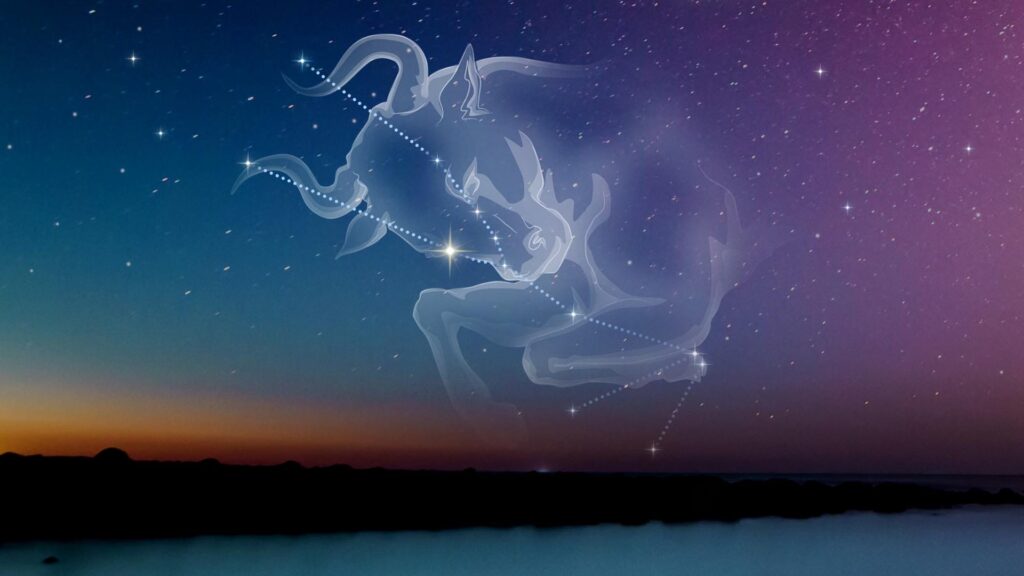
Taurus is the second sign of the zodiac, symbolized by the Bull and ruled by Venus — the planet of love, beauty, and abundance. People born under Taurus (approximately April 20 to May 20) are known for their grounded nature, strong determination, and deep appreciation for comfort and stability. As an earth sign, Taurus represents practicality, patience, and the ability to build lasting foundations in life.

If you are a Taurus — or have strong Taurus placements — you likely value security, loyalty, and meaningful experiences that bring emotional and material fulfillment.

For deeper insights into your personal planetary placements, explore our full astrology report here:
https://theastrohealer.com/full-astro-report/


Key Taurus Personality Traits

Taurus individuals are often described as reliable, patient, and persistent. They approach life with a steady mindset and prefer slow, consistent progress over sudden change. Their connection to Venus gives them a natural love for beauty, art, and harmonious environments.

Common strengths include:

  • Strong loyalty and dependability
  • Practical decision-making
  • Emotional stability
  • Excellent work ethic
  • Appreciation for comfort and luxury

However, Taurus can also show stubbornness or resistance to change because they prefer security and familiarity.


Taurus in Love and Relationships

In relationships, Taurus is deeply devoted and seeks long-term commitment. They express love through consistency, care, and physical affection. Taurus partners value trust and emotional safety, making them reliable companions who invest fully in their relationships.

They are most compatible with signs that appreciate stability and emotional depth, as Taurus thrives in secure and drama-free partnerships.


Taurus Career and Money Mindset

Taurus is naturally aligned with careers that offer stability and tangible results. Their patience and persistence make them excellent in fields involving finance, business, design, agriculture, or any role requiring long-term planning.

They are also known for building wealth steadily, preferring practical investments over risky ventures.


Spiritual Meaning of Taurus

On a spiritual level, Taurus teaches lessons of grounding, self-worth, and connection to the physical world. It encourages us to slow down, appreciate life’s simple pleasures, and cultivate inner peace through consistency and devotion.

Taurus energy reminds us that true abundance comes from patience and mindful creation.


Get Your Personalized Taurus Reading

Every Taurus is unique — your Moon, Rising, and planetary aspects shape how Taurus energy manifests in your life.

Discover your soul blueprint and life path through a personalized reading at:
https://theastrohealer.com/


Final Thoughts

Taurus astrology represents strength, loyalty, and the power of steady growth. Whether you’re exploring your personality, relationships, or spiritual journey, understanding Taurus can help you create a life rooted in stability and fulfillment.